
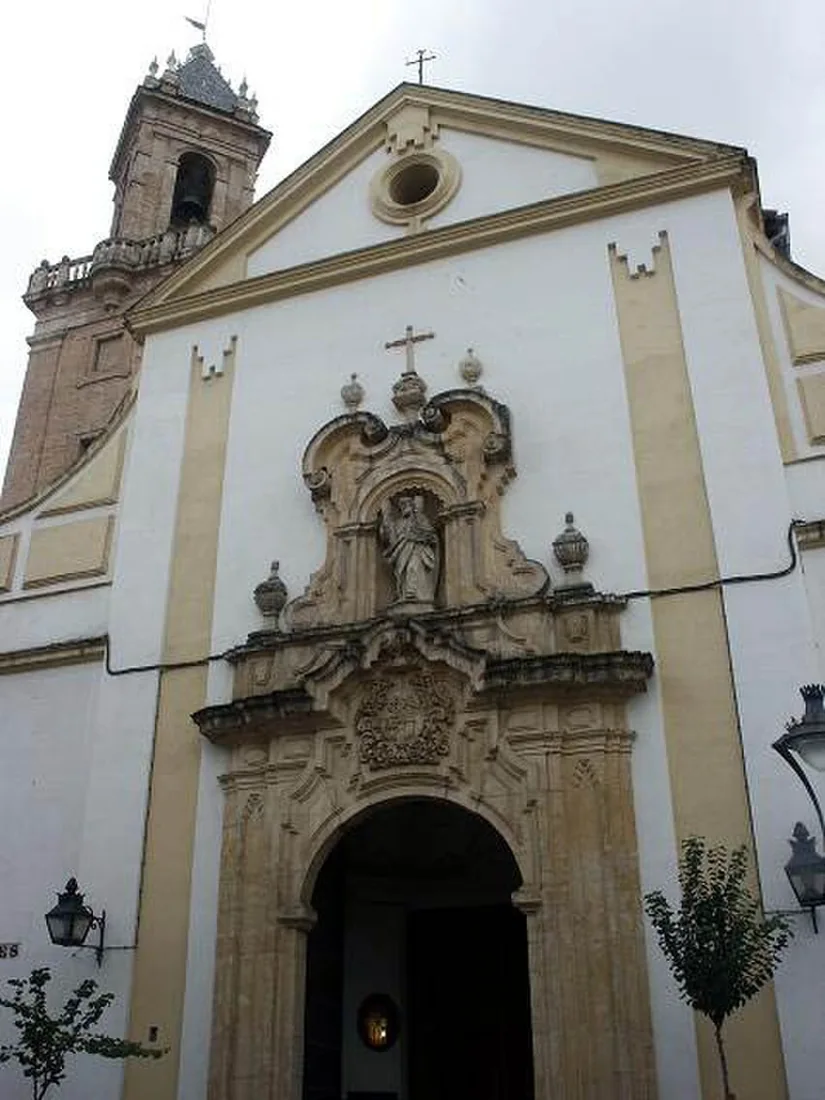
Between San Pablo and the Realejo, San Andrés makes a quieter stop in the walk. Its square and neighbouring streets connect several sights without taking you out of the smaller-scale fabric of the old city. The setting is as important as the façade itself.
History and origins
The church originated in the thirteenth century, but seventeenth- and eighteenth-century alterations substantially changed its appearance. Official tourism information distinguishes sixteenth- and seventeenth-century work in the tower and notes Bishop Siuri’s coat of arms above the principal entrance.
What to look for
Look at the doorway, the changes in height and the way the tower rises among neighbouring buildings. San Andrés is a useful comparison with the more overtly medieval appearance of San Lorenzo.
A detail worth knowing
A medieval foundation does not mean that every visible feature is medieval. This church is a reminder that buildings continue to change as the communities around them evolve.
Planning the visit
Confirm current access before allowing time for an interior visit. If worship is taking place, wait or continue outside. San Pablo and Orive provide complementary stops nearby: religious and civic architecture within the same part of the Axerquía.
Location and directions
Plaza de San Andrés
Approximate cartographic reference, not a guarantee of an open visitor entrance. Confirm the permitted approach on arrival.
How to get there ↗Sources and visitor information
Historical information is presented separately from current access arrangements. Consult the responsible visitor service for opening, tickets and any restrictions.